
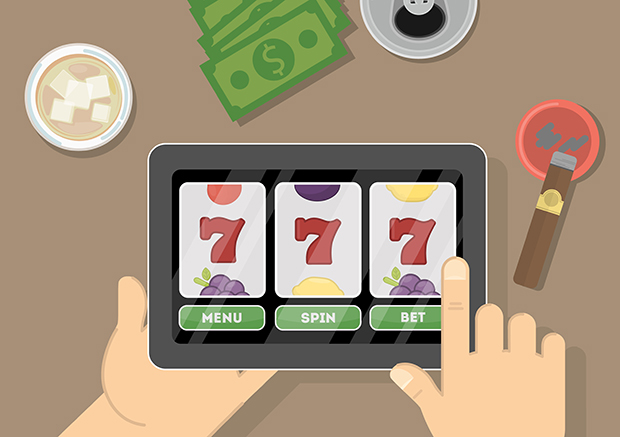
I remember the first time I sat at a digital blackjack table with real money on the line. The gameplay looked just like the free-play version I had been using, but everything felt different. Real money casino games maintain the identical rules and interfaces you might be familiar with from demo mode, then include one decisive layer: financial risk and reward. To comprehend them, you must understand the gameplay and the mechanisms that process your money, ensure fairness, and determine results in a controlled environment.
Number 5: Licensing, Security, and Why They Matter Before You Start Playing
A real money casino functions under a licence from a gambling regulator. The regulator sets regulations on player fund segregation, how often RNGs get tested, dispute resolution procedures, and responsible betting features. The permit is not a mere formality. It implies the provider agrees to inspections, keeps specified reserve funds, and is subject to penalties or withdrawal if it flunks examinations. Authorities like the Maltese Gaming Authority, the UKGC, and the CGCB oversee countless companies, each with a distinct standard of enforcement.
Security framework secures monetary information moving between your computer and the casino’s servers. TLS protocol, the identical system that safeguards internet banking, jumbles every data transfer so hacked data becomes indecipherable. Trustworthy sites also hold player funds apart from business accounts. That separation guarantees your money is held in a secure account creditors cannot easily reach if the firm faces economic problems. I view this distinction fundamental when selecting a place to deposit.
ID verification, often called KYC, performs two functions. It validates you fulfill the age requirement and location rules, and it prevents someone else from withdrawing money with your login details. You normally upload a official identification, a current utility bill or financial statement showing your location, and occasionally a picture of the credit card you employed. The initial cashout usually triggers the process. Completing it early, even immediately after signing up, can cause subsequent withdrawals a lot quicker.
5.1 Responsible Gambling Tools Built into the Platform
Regulated providers must offer features for regulating the period and cash you invest. Funding limits let you limit daily, each week, or per month incoming funds. Playtime notifications appear after a specified time to help you keep tabs on time. Voluntary exclusion tools lock your membership for a selected period, from a few months to permanently. These are not minor additions buried in menus; governing bodies require them to be easy to find and functional. Utilizing them is a entitlement, not optional.
4. What Occurs When You Deposit: Payment Methods, Processing, and Restrictions
Once you opt to play for real money, the practical question becomes how to send funds into your account. Modern platforms usually provide several options. E-wallets like Skrill or Neteller move funds almost immediately after you authenticate the transaction. Credit and debit cards, mostly Visa and Mastercard, remain common and process deposits quickly, though some issuing banks block gambling transactions based on regional policies. Bank transfers work everywhere but can take hours or even days, according to intermediary processing schedules.
Prepaid vouchers and voucher systems like Paysafecard enable you to deposit without sharing bank details. You buy a voucher for cash at a retail outlet, type the code on the casino’s cashier page, and the funds become available immediately. Cryptocurrency options, where available, provide another layer of speed and pseudonymity, with blockchain confirmations typically clearing within minutes. Every method carries its own minimum and maximum limits, and I advise checking those before choosing one channel for regular use.
Withdrawal processing times count more than deposit speed. E-wallets typically offer the fastest turnaround after internal approval, often within hours. Card withdrawals can take two to five business days because of banking network clearing cycles. Bank transfers can stretch further, sometimes to seven business days. Every platform runs an internal review period before releasing funds. This is not obstruction; it is compliance with anti-money laundering rules that require verifying gameplay and identity before large outbound transfers depart the system.
The third The Real Money Game Categories You Will Encounter
Casino games for real money are divided into several distinct families, each having its own math and decision-making burden. Slots rule every lobby by sheer numbers. They extend from classic three-reel formats with a single payline, to video slots with five or more reels and many paylines, to progressive jackpot titles where a fraction of every stake feeds a pooled prize that can grow to substantial money. The attraction is pure randomness, with no strategy necessary beyond selecting your stake and your game.
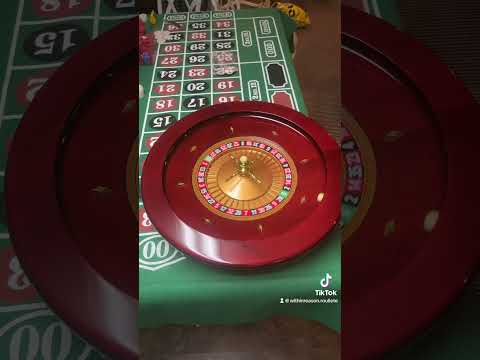
Table games add skill elements that change expected returns depending on your decisions slottiocasino.com.nl. Blackjack is the clearest example. Basic strategy charts tell you the statistically optimal move for every combination of your hand and the dealer’s upcard. Stick to those charts exactly and the house edge shrinks to fractions of a percent. Deviate by instinct and the edge widens noticeably. Roulette operates differently: you select risk-reward ratios by putting chips on single numbers, groups, or colors, but no decision modifies the built-in house edge, which is at 2.70% for European single-zero wheels.
Live casino games connect software and physical reality. A real dealer in a studio deals real cards or spins a physical wheel, while cameras transmit every motion to your screen. You make bets through a digital interface, but the outcome originates from physical mechanics instead of an RNG. This category covers live blackjack, live roulette, live baccarat, and game-show-style formats like Dream Catcher or Monopoly Live that mix wheel spins with augmented reality graphics.
Video poker and specialty games round out the picture. Types like Jacks or Better or Deuces Wild work on five-card draw mechanics, and their paytables let you calculate an exact optimal strategy. Some specialty titles resist easy grouping: virtual scratch cards, bingo variants, and keno all draw numbers and can suit players who want short sessions with fixed-cost entries.
2. How Random Number Generators and Return to Player Percentages Determine Every Outcome
Every licensed real money game operates on a Random Number Generator, or RNG. The software produces thousands of unpredictable number sequences each second, even when no one is playing. When you press spin or request a card, the system takes the latest number from that stream and translates it into a specific result. For a slot, that determines which symbols appear in each reel position. For blackjack, it decides the next card out of the virtual shoe.
Regulated casinos have their RNGs verified by independent laboratories whose whole business relies on credibility. I mean organizations including iTech Labs, GLI, and eCOGRA. They conduct billions of simulated rounds and compare the actual distribution of results against the mathematically expected frequencies. If a slot indicates a cherry symbol should show up 5% of the time on reel three, the testers verify that over millions of spins the observed frequency stays within a fraction of a percent of that number. Certification indicates the RNG met statistical randomness tests that no human could distinguish from true randomness.
Return to Player, or RTP, comes immediately from how the RNG is set up. A 96% RTP is not an indication you individually get back 96% of every deposit. It signifies that across all players and all spins on that game over its lifetime, total wagers and total payouts settle at that ratio. The 4% gap is the house edge, which keeps the casino running, pays staff, and funds new games. Individual sessions can swing wildly. I have seen a 96% RTP slot deplete a balance in thirty minutes and triple it in ten. The percentage represents the long arc, not your evening.
2.1 Fluctuation: The Neglected Counterpart to RTP
RTP reveals how much the game pays back over the long run. Volatility shows how rough the ride gets. Low-volatility games dispense frequent small wins that smooth out a session. You might hit a winning combination every fourth or fifth spin, so the balance stays fairly stable. High-volatility games cluster wins into rare but large events. You can spin forty times and see nothing, then trigger a bonus round that pays fifty times your stake in a single sequence.
2.1.1 Matching Volatility to Your Session Goals
I advise low-volatility titles if your main goal is extended playtime with regulated drawdown. High fluctuation games fit sessions where you accept the chance of quick loss in exchange for a chance at a much larger multiplier. Neither approach is arithmetically better, because the RTP determines long-term expectation regardless. The question is how you prefer to undergo the probabilistic journey from starting balance to ending result.
6. Compatibility of Devices and the Mobile Real-Money Experience
Real-money games do not need a special app on every platform. Many current casino software operates straight in phone browsers through HTML5. The same slot or live dealer blackjack that runs on your desktop adapts its layout to a phone screen by itself. Controls by touch replace mouse clicks. The logic of the game, RNG, and payout structures are unchanged across devices. Not a thing in the real-money formula shifts when you move from laptop to phone.
Original apps, if available, offer extra ease. They save login credentials securely, send push notifications for bonuses or the start of live tournaments, and occasionally allow login via biometrics through a fingerprint or facial scan. The main gaming experience continues to function in a browser. I tell players to test browser performance on their personal device before getting an app. A stable internet connection matters far more for streams of live casino than if the interface starts through an app icon or a URL.
One practical issue with mobile gaming is the cashier interface. Depositing through a phone browser should feel as protected as on desktop. Look for the identical padlock symbol in the address bar. Requests for withdrawals generally use the identical mobile cashier, even though sending KYC paperwork may be simpler on a bigger screen where you can take a photo of or scan them with clarity. The financial pipeline does not divide between devices; it is one integrated system accessed through differing display sizes.
1. Základní Distinction Mezi Hrou zdarma and Hrou o peníze
V kasinu jako je Slottio Casino, každá casino game se nachází ve dvou paralelních verzích. Demo režim funguje na virtual credits bez peněžní hodnoty. You can spin a slot tak dlouho, jak chcete, přijít o všechny kredity, a obnovit stránku pro získání nového zůstatku. The interface, mechanika válců, and paytable zůstávají identické v obou režimech. The only real difference je to, co kredity představují a co se stane, když relace skončí.
Přepněte do real money mode a tytéž kredity se promění v a direct reflection vašeho vkladu. Roztočení v hodnotě 0.20 credits nyní strhne 0.20 z vašeho hotovostního zůstatku. Winning combinations přidávají peníze k výběru to the account. Tento přechod also starts řadu skrytých procesů jež v demu neuvidíte: ověření platby, sledování relací pro regulační audity, a kontroly proti podvodům running quietly on every transaction. Hra se chová stejně, ale finanční mechanismus kolem ní se zapíná.
Psychologický posun má stejnou váhu jako technická stránka. Viděl jsem players vnímat stejné kurzy jinak once real money is involved. Bet sizing turns deliberate instead of experimental. Volba her moves toward titles with return percentages they have actually researched. The entertainment stays, ale stojí vedle reálných finančních rozhodnutí. Tato směs defines the category a odděluje ji od pouhé zábavy.
7. Bonuses, Playthrough Requirements, and the Terms That Controls Them
Almost every real money experience kicks off with a bonus promotion. A matched deposit bonus offers you extra funds in ratio to your first deposit, such as a 100% match up to a set amount. Free spins packages assign a fixed number of spins to specific slot titles, often credited in batches over several days. Cashback offers give back a percentage of net losses over a defined period as real, sometimes withdrawable, funds. Each type alters your starting balance, but none comes without conditions.
Wagering requirements sit at the center of those conditions. A 35x wagering requirement on a bonus means you must place bets totaling 35 times the bonus amount before any bonus-derived winnings become withdrawable. Take a $100 bonus: you need to wager $3,500. Different game categories count unequally toward that target. Slots typically apply 100%, so every dollar wagered counts fully. Table games like blackjack or roulette might count 10% or even 0%, a detail I often see players miss until a withdrawal attempt halts.
7.1 Reading Beyond the Headline Number
Maximum bet limits during bonus play, game eligibility restrictions, and time windows introduce more structure. A common rule caps bets at $5 per spin or hand while a bonus is active. Going over that cap can invalidate the bonus and any resulting winnings. Time limits, often 30 days, require you must complete the wagering or lose the bonus. I treat these terms as part of the cost-benefit analysis before accepting any offer. A generous headline amount paired with a short completion window and restricted game contributions can be less valuable than a modest offer with player-friendly terms.
7.2 The Separation Between Bonus Funds and Real Balance
Your account balance splits into two pools once a bonus activates. The cash balance, drawn from your deposit, usually is used first. The bonus balance is locked until you meet wagering requirements, or in some setups only activates after the cash balance runs out. Withdrawal requests typically void any active bonus and forfeit the associated funds. Knowing which pool pays for a given spin reveals what a win actually signifies for your withdrawable total. This mechanical detail shapes session strategy more than many newcomers recognize.
Nejčastější otázky
Must I have a separate account for practice mode and real cash mode?
Not at all. One account offers you access to both options. The majority of games allow you to alternate between free play and paid play with a switch or separate button in the game lobby. The platform tracks the two types autonomously, so your free-play balance never combines with real funds.
What is the timeframe does a withdrawal require on average?
After the verification phase, e-wallet withdrawals usually go through within 24 hours. Card payments span two to five business days, and bank transfers can extend to seven. The main variable is internal review time, which is based on identity confirmation. Accounts with completed KYC usually move through review faster.
What happens if my network connection cuts out during a paid spin?
The game server finalizes the round on its own once your bet arrives at it. If your connection drops mid-spin, the result is already set server-side. When you connect again and open the game, it shows the finished outcome and modifies your balance to match. No bet gets lost because of a lost connection.
May I test all games in demo mode before betting real cash?
Many slots and online table games offer demo versions. Live casino games, because they involve real dealers and studio time, seldom have free-play modes. Slots, video poker, and RNG table games nearly always let you try the mechanics and volatility without any financial commitment.
What does “pending period” indicate on a withdrawal status?

The pending period is the timeframe where you can still cancel the withdrawal and send funds back to your gaming balance. It exists partly as a responsible gambling feature that prevents impulsive cashouts during tilt, and partly as an operational buffer. Once pending status clears, funds proceed to the payment processor and reversal is not possible.
Real money casino games succeed or fail on transparency. Once you understand what flips the switch between free credits and withdrawable cash, how the math behind RNG and RTP sets the boundaries of possible outcomes, and what determines the speed of money moving both ways, the experience shifts from opaque gambling to informed risk-taking. The games themselves do not change between modes. Your relationship with each spin or hand does. My strongest recommendation is to consider the terms page, the payment timelines, and the volatility label on a game as essential reading rather than fine print. That habit alone differentiates a session where you control the variables you can control from one where you just watch numbers move.
Recent Comments